Page 99 of 115

Cinnamon, The Spice of Life

Welcome to Grandma’s kitchen, the warmest most welcoming place on earth. The freshly baked rolls are just out of the oven, you can hear the “drip drip” of the coffee pot, and you can smell that wonderful smell. This scent elicits warmth. This scent is one that can induce pure joy. Of course, it is the fresh spicy scent of cinnamon that is tickling your nose.

Cinnamon is one of the oldest medicinal spices; the essential oils of this spice have been used since about 2700 B.C.  

Not only is this spice quite tasty, probably due to the fact we always relate it to cinnamon rolls and apple pie, but it also provides health benefits! The component cinnamaldehyde found in the essential oils of the spice is what gives cinnamon its spicy warm flavor. Cinnamaldehyde is an anti-inflammatory nutrient that has been shown to make blood platelets more resistant to clotting, making it a promoter as far as cardiovascular health is concerned (Rah, Rah, Cinnamon).

Another fascinating finding about cinnamon is its affect on blood sugars. Research has discovered that cinnamon stimulates insulin receptors within the body, making those with Type 2 diabetes more susceptible to their own insulin production. A study put out by the American Diabetes Association noted that as little as 1 gram (¼ to ½ teaspoon) of cinnamon (not cinnamon sugar, folks) not only dropped blood sugar levels, but also improved triglyceride, LDL cholesterol, and total cholesterol numbers! This is especially vital information since diabetes alone increases your risk for developing heart disease. Now how much do you want to go sprinkle that cinnamon into your next dish!?

Perhaps cinnamon can not fully be deemed the spice of life, but I am quite certain cinnamon definitely ranks high among the spices of health. Ideas to add Cinnamon into your daily dish include:

  • Sprinkle into your morning oatmeal to add a supplemental “warmth” factor
  • Create a cinnamon chip by baking whole wheat tortillas with a honey and cinnamon glaze
  • Toss into your morning (freshly ground!) coffee grounds. This “ups” the spicy, tongue-tingling flavor
  • What about the famous cinnamon and apples pairing? Of course, you could get some of that probiotic power by coupling it was some creamy luscious yogurt; sounds like my kind of dessert.
  • Place cinnamon sticks into a warm batch of freshly brewed tea and serve to your family.

Wherever you place it, you are ensured a warm, spicy, and health benefiting treat. 

Here’s to your health!

Katie

Get more Health & Wellness advice by Clicking Here.

About Katie Paige Haarala

Kate Paige Haarala is a registered dietitian (R.D.) from Minnesota who has an undying passion for nutrition education and helping others incorporate healthy dishes into their daily menu.  She graduated from Concordia College in Moorhead, MN with a Bachelor of Arts degree in Food, Nutrition & Dietetics along with a Bachelor of Arts degree in Exercise Science. You can catch more of Katie on her blog by clicking here.
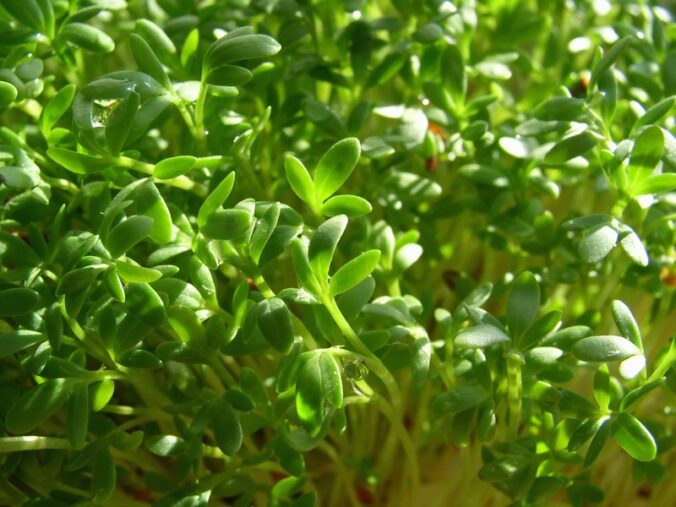
C-CAP Founder Richard Grausman’s Watercress Soup

Into the Soup’s event on March 22nd, WestSide ThrowDown, benefits Career’s in Culinary Arts Program (C-CAP). Richard Grausman is Founder and President of C-CAP which works with public schools across the nation to prepare high school students for college and career opportunities in the restaurant and hospitality industry. A national nonprofit, C-CAP provides teacher training, scholarships, cooking competitions, job shadows, training and internships, college and career advising, and product and equipment donations.

Ingredients

  • 1 tablespoon butter
  • 3 leeks (white part only), washed and diced
  • 1 ½ pounds zucchini, peeled and diced
  • 4 cups chicken stock
  • 1 bunch watercress, thick stems trimmed
  • ¼ teaspoon salt
  • 1/8 teaspoon freshly ground pepper
  • 1/3 cup heavy cream


  1. In a 4-quart pot, heat the butter.  Add the leeks and gently sauté over medium-low heat until softened, about 3 minutes.
  2. Add the zucchini and sauté for 2 minutes without browning.  Add the stock and simmer until the zucchini is just tender, 3 to 4 minutes.
  3. Bring the soup to a boil and add the watercress.  Reduce heat and simmer for 1 minute.
  4. In a food processor or blender, blend the soup until smooth.  Season with the salt and popper.  (The soup can be prepared ahead to this point.  Let cool to room temperature. Cover, and refrigerate.  If serving the soup hot, bring back to a simmer before proceeding.)
  5. Just before serving, stir in the cream.


This low-calorie (70 calories per serving) variation of the classic watercress soup uses zucchini in place of potatoes.  The small amount of cream used to enrich the soup can be omitted, reducing the calories even further. This soup can be served hot or cold.  If you are using a homemade chicken stock, the soup may jell when cold, making it too thick.  If this happens, thin with water and adjust the seasonings.  Try using yogurt instead of cream when the soup is cold. Serves 6.

From:  At Home With the French Classics (Workman Publishing, 1988) by Richard Grausman.

 Click Here for More Soups of the Week

The Passion of Pinot Noir

by Chef Larry Canepa

As a Chef and Educator, I have the rare and special opportunity to stimulate and observe the awakenings of young palettes with food and wine. Once in a while, there are special moments when all is right and astounding breakthroughs happen. I experienced just such a breakthrough recently over a special wine in our series.

For me wine is a living thing, and I love to contemplate how the sun was shining during the growing season, consider what the life of the people who grew the grapes was like, and imagine how all the elements translate into the wine.

I like how Pinot Noir, especially, evolves because it tastes so very different today than if I opened it on any other day. It is alive, and it continues to change constantly gaining complexity until it peaks; and then, it begins its steady inevitable decline.

Pinot Noir’s flavors can be haunting, brilliant, thrilling, subtle, and ancient. The Romans vinified this grape as early as the first century AD. It is without exception, the most sensual wine, and sharing its virtues is one of the most rewarding events for a wine lover. I remember my first sip of Pinot Noir over 30 years ago, but rediscovering its subtlety with new friends and novice wine lovers was a revelation.

I set out the glasses, prepared the tasting notes, and laid out the chocolate. The complexity of chocolate laced with a bit of orange and cloves paired with Pinot Noir brings new and challenging insights to the students’ palete by creating a subtle, rich, complex finish to an exciting wine awakening (more on food pairings in future articles).

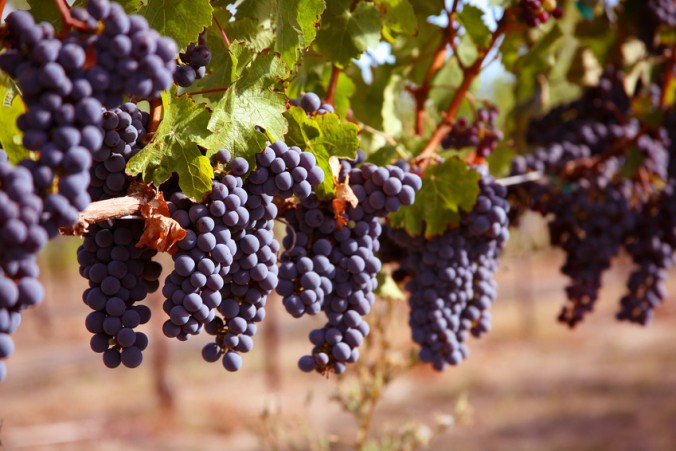
Of all the classic grapes, Pinot Noir is the most difficult to make into wine. Technically, It is a hard grape to grow, and does well only in a few very special, magical pieces of land tucked away in corners of the world. The grape is thin skinned and ripens early. It mutates easily in the vineyard, is highly sensitive to climate changes and variations in soil compositions, and is unstable during winemaking. It’s not the survivor like Chardonnay or Cabernet, which can grow anywhere and thrive even when neglected. Pinot Noir needs constant care and attention, and only the most patient, dedicated, nurturing growers can do it. Only someone who really understands Pinot Noir’s potential can then coax it into its fullest expression. This enological gamble is what makes Pinot Noir all the more fascinating and irresistible.

The reputation of Pinot Noir is owed to the wines of Burgundy (Bourgogne), France, one of France’s most prestigious wine regions. For most of wine history, this small, thin stretch of hills, called the Côte d’ Or (“Slope of Gold”), is just one of a small handful of regions to achieve consistent success from the Pinot Noir vine. Due to the stringent growing requirements for Pinot Noir, it is produced in much smaller quantities than other popular red wines.

Pinot Noir is a sensual wine which is derived from the remarkably supple, silky textures and erotically earthy aromas they display. But how do you convey these attributes to a young novice? Do they have the reference points? I chose an uncomfortable path: let them find out for themselves! 

An unguided tour of Pinot Noir seems unfair and reckless like experiencing an Indian food for the first time without coaching. So we began with a 2006 Erath Pinot Noir from Oregon. Black cherry aromas were underscored by sweet mandarin orange, clove-laced vanilla among subtle hints of anise and caramel. The wine opened on the palate and evolved into a supple silkiness.

We followed with a French Burgundy from a small region known as Marsannay. The wine’s dark red color indicated a wine with a beautiful structure. The ripe red fruit aromas of cherries and plum were present with smooth, silky tannins and nice longevity in the wooden finish.

Next was surprisingly delightful Nautilus Estate Marlborough Pinot Noir from New Zealand. Dark ruby in color, with an aroma of plums, dark fruits and a hint of spice, it offered a subtle complement to the chocolate. The palate was medium to full bodied with ripe fruit tannins and oak combining to give great structure and a silky texture.

I knew my allowing them to experience these wines on their own was a risk, but I felt it was risk worth the reward. I let them appreciate the aromas and tastes of violets, warm baked cherries, cigars, plums, damp earth, mushroom, worn leather, sweat and dry leaves; and I watched as they began to truly appreciate them. We’d pour, we’d swirl and smell, we’d observe the colors; but fighting the teacher instinct, I let them discover for themselves, without commentary.

And so it was worth the risk. The students embraced Pinot Noir with wild, hedonistic abandon, just as one might expect with our first taste of a great wine. All was right in the (wine) world. They felt the joy, clarity and a heightened sense of awareness about the power of wine and food.

Oh yes, and the chocolate.


Try Nautilus Estate Marlborough Pinot Noir at wine.com – Click Image

Try New World Pinot Noirs values at wine.com – Click Image:


About Larry Canepa

Chef Larry Canepa brings  30 years of Food and Wine experience to today’s adult culinary learners. He has worked in the Food & Wine business as Chef, caterer, sommelier and Food and Wine educator. He has taught culinary and restaurant operation classes at the International Culinary School at the Art Institute of Phoenix and Le Cordon Bleu, Scottsdale. His experiences include management and operation of free-standing restaurants, hotels and resorts. Chef Larry Canepa owned and operated the full service catering business, Dinner at Eight for 10 years in the Valley, specializing in intimate private dining and wine seminars. Larry Canepa has conducted seminars and lectures on coffee, tea, wine, etiquette, cooking and service for students, adults, continuing education classes and charitable organizations.

Capistrano’s Bakery

We are please to have a great partner like Capistrano’s Wholesale Bakery. We will be working with them to bring you the best content regarding one of our favorite foods, great bread. Check them out and look for their artisan breads at some of your favorite restaurants.

Village Coffee Roastery in Scottsdale

We used to live just down the street from The Village Coffee Roastery and still make the 40min journey to Scottsdale to visit from time to time.  It is one of the oldest independent coffee houses in Arizona and has a proud history of utilizing science and technology to develop its own premium coffee. Over the last decade the Roastery has experimented with the finest Arabica beans from all over the world, bringing out the natural essence of the region from which it comes. The atmosphere of the place is fun and comfortable. They showcase local talented artists, live music, free Wi-Fi and knowledgeable staff. Click here to visit the website.

Arizona Culinary Institute

Arizona Culinary Institute is everything one wants from a culinary school. Hands on, personal instruction from great and friendly chefs, small classes, a building built fromt he ground up as a culinary school in beautiful Scottsdale, Arizona. They focus on providing students a solid foundation in the classical culinary arts and we are proud to have them and a friend and partner of Into the Soup. To learn more about their outstanding program, click here.

Check out our Basic Cooking Technique features with Chef Glenn Humphrey and join Heidi and Glenn on Into the Soup on the Radio.

« Older posts Newer posts »

© 2025 Into the Soup

Theme by Anders NorenUp ↑